
Welcome to your Childhood Practice Subject Research Guide
Watch the video to meet your Academic and Digital Library Liaison – Stephanie Fair, then have a look in the sections below to find useful and relevant resources for your course.
If you are not able to find what you are looking for please contact your Academic Digital Library Liaison, listed at the bottom of the page, who will be happy to help you with all library and subject research needs.
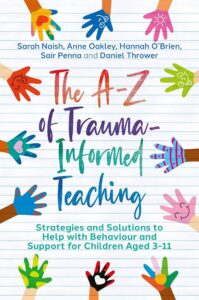
Ebooks: What is Trauma & TIP in Education
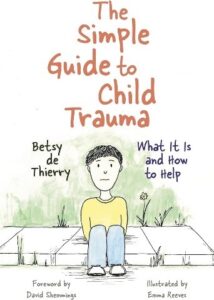
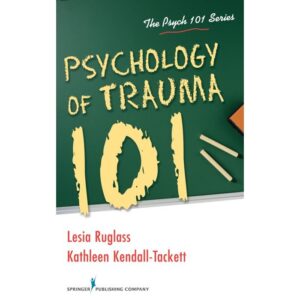

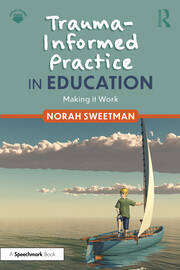

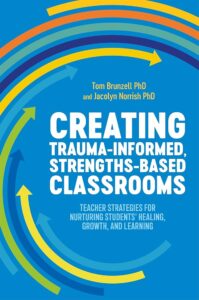
Education Scotland: Trauma-Informed Resources
Below you can find a link to trauma-informed resources from Education Scotland.
This resources page provides an overview and exemplars of nurture and trauma-informed approaches, including a framework to support whole school improvement through a nurturing lens.
The resources are aimed Managers and practitioners in early years, primary and secondary school settings to support a whole school community focus on nurturing and / or trauma-informed approaches.

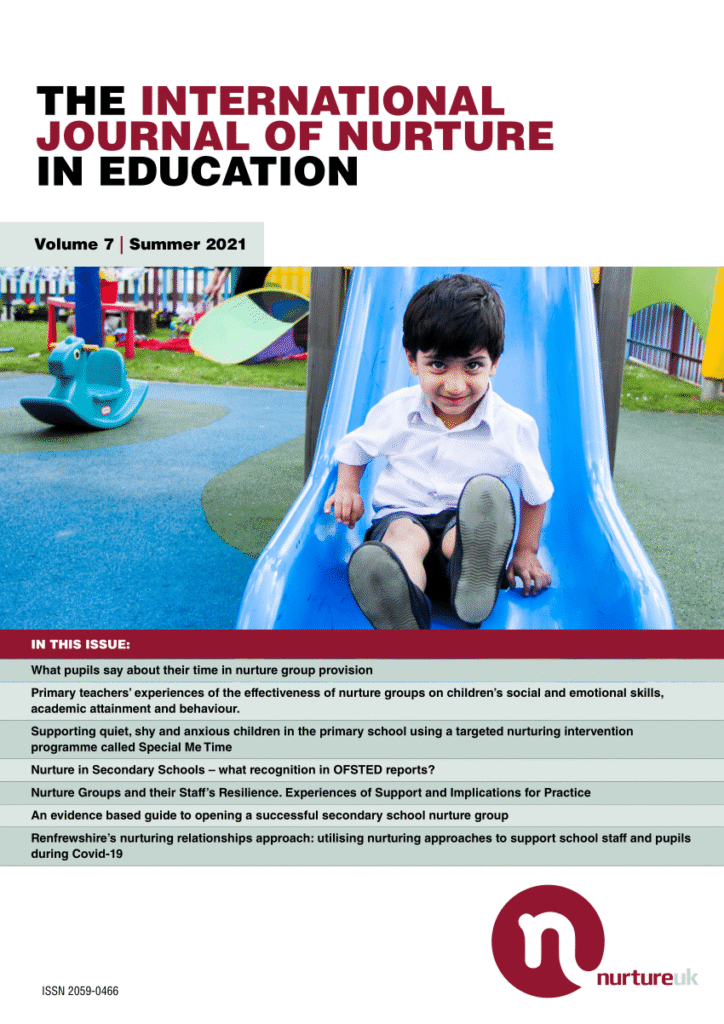
International Journal of Nurture in Education
The International Journal of Nurture in Education (IJNE) presents the latest research on how nurture principles and practice improve pupils’ socio-emotional functioning and academic achievement.
Research demonstrating the effectiveness of nurture practice tends to be spread over publications in different academic fields. The IJNE is therefore designed as a central hub for all relevant nurture research and findings.
Nurture, Adverse Childhood
Experiences and Trauma
Informed Practice (Report)
This Education Scotland Report provides information on the features of a nurturing approach. It offers some background as to how they specifically apply to a Scottish context and outlines the commonalities between the different approaches. It also provides some information on the benefits and challenges of implementing each approach and provides some details on examples of good practice in applying these approaches within an education context.
Discussing Trauma Informed Education in schools – (Video)
Talking Heads, part of the National Trauma Programme of resources, is a collection of introductory video clips from leaders from across Scotland talking about their experiences of leading and implementing trauma-informed approaches in practice.
Follow the link the below and scroll down to see the video under the heading “schools.” In this video you can hear from Gail Nowek who discusses how trauma informed practice is being across classrooms, schools and educational organisations.
The Evidence for Nurture Practice (Report)
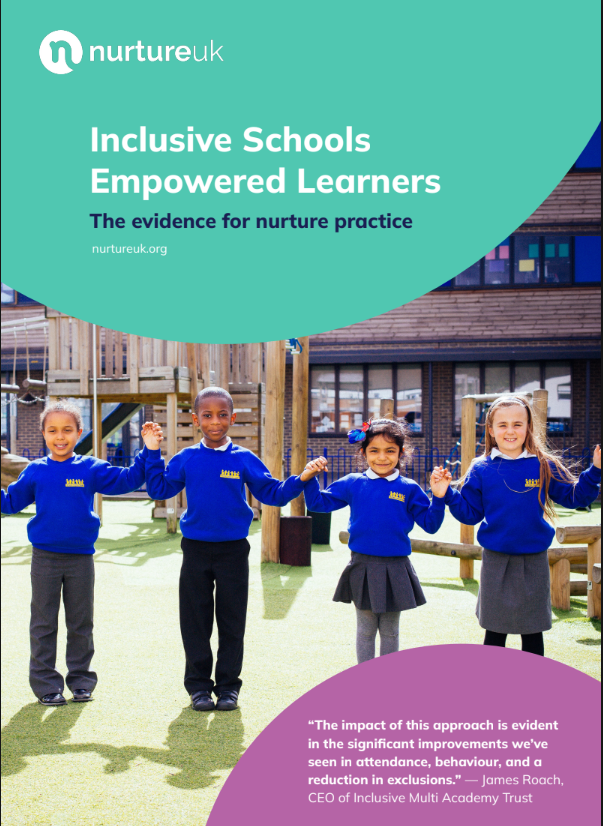
The report from Nurture UK sets out the evidence for Nurture practice within schools.
The report includes case studies from across the UK and the voices of educators, parents and children about the impact nurture has had on their lives.
The report also outlines current challenges facing schools and the education system and how introducing Nurture practices can both address the current challenges as well as promote healthy socio-emotional growth of children and young people.
Trauma Knowledge and Skills Framework
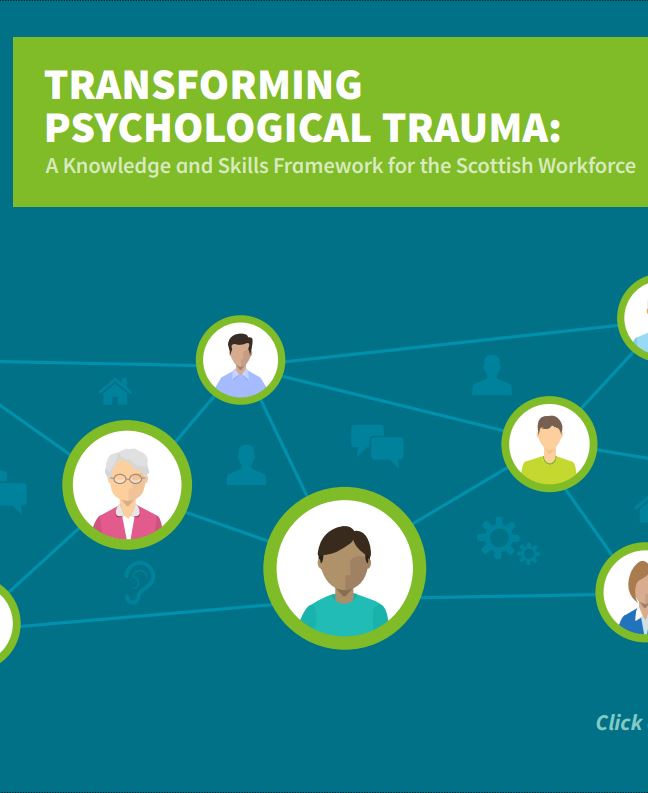
NHS Education for Scotland (NES) was commissioned to develop ‘Transforming Psychological Trauma: A Knowledge and Skills Framework for the Scottish Workforce’ as part of the Scottish Government’s commitment to developing a National Trauma Training Strategy.
This framework lays out the essential knowledge and skills needed by all tiers of the Scottish workforce to ensure that the needs of children and adults who are affected by trauma
are recognised, understood and responded to in a way which recognises individual strengths,
acknowledges rights and ensures timely access to effective care, support and interventions for those who need it.
BBC: Supporting Care-experienced Children: A Trauma-informed Approach
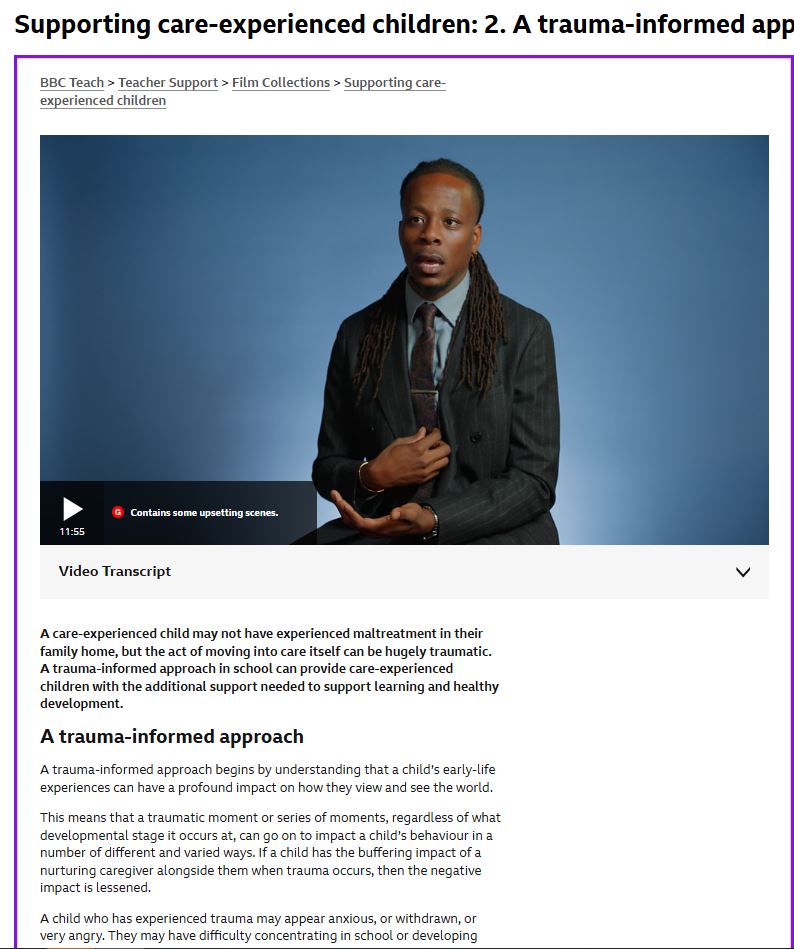
A trauma-informed approach in school can provide care-experienced children with the additional support needed to enable learning and healthy development.
To support this approach the BBC has produced a series of resources to explore what it means to educate and support care-experienced young people through a trauma-informed approach.
The resource includes a film, real life case studies and discussion questions to help explore and define a trauma-informed approach to supporting care experienced children in schools.
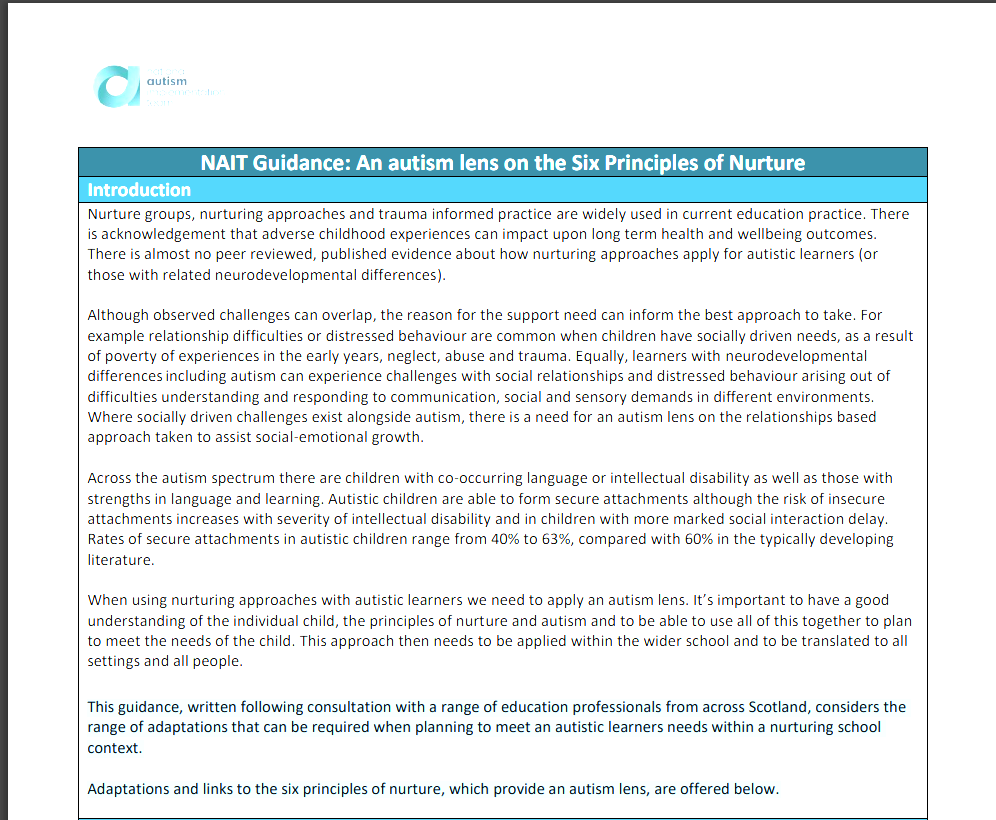
NAIT Guidance: An Autism lens on the Six Principles of Nurture
This guidance, written following consultation with a range of education professionals from across Scotland, considers the
range of adaptations that can be required when planning to meet an autistic learners needs within a nurturing school
context.
Adaptations and links to the six principles of nurture, which provide an autism lens, are offered in the guidance below.
Ebooks: Trauma-Informed Practice & Nurture Approaches

Ted Talk: How Childhood Trauma Affects Health Across a Lifetime
with Nadine Burke Harris
In this eye opening Ted Talk Pediatrician Nadine Burke Harris explains that the repeated stress of abuse, neglect and parents struggling with mental health or substance abuse issues has real, tangible effects on the development of the brain. This unfolds across a lifetime, to the point where those who’ve experienced high levels of trauma are at triple the risk for heart disease and lung cancer.
An essential watch for all practictioners and educators who want to understand the real and profound effects trauma can have on us and those around us.

Articles (Credo Reference & Gale)
Article title:
How Bessel van der Kolk’s theory of trauma became the way we make sense of our lives
Access:
Article title:
Childhood Stress and Trauma Associated with Poverty
Access:
Article title:
What is Vicarious Trauma?
Access:
Article title:
Brain Study Suggests Traumatic Memories Are Processed as Present Experiences
Access:
Article title:
Maltreatment Disrupts the Architecture of the Developing Brain
Access:
Article title:
Depression, anxiety and childhood trauma: South African study explores links
Access:
ClickView Videos
ClickView is Edinburgh College’s media player. Here are some relevant videos for your course.

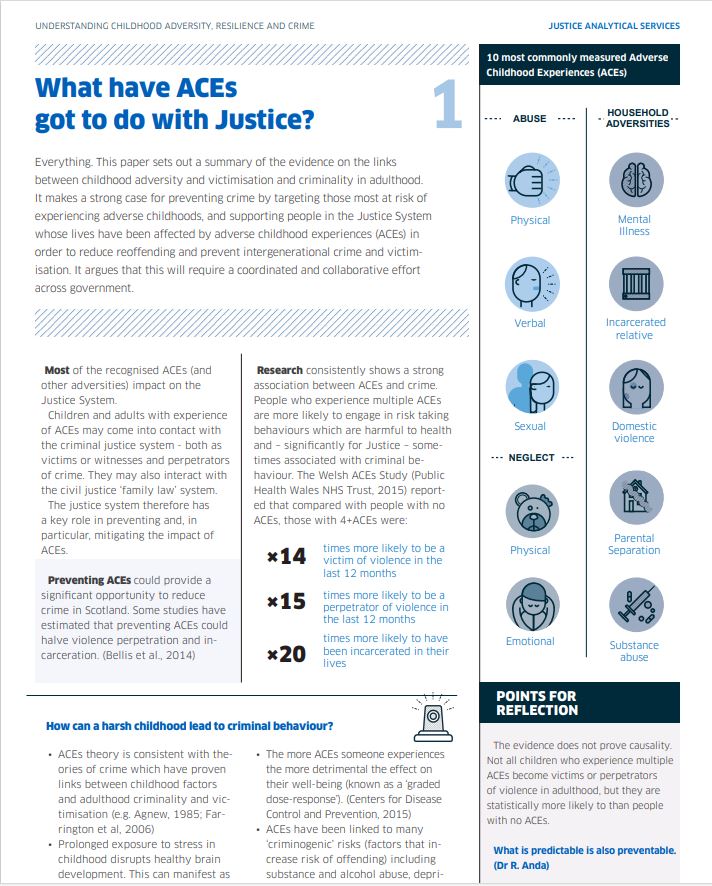
Report: ACE, Resilience and Crime
This Scottish government paper sets out a summary of the evidence on the links between childhood adversity and victimisation and criminality in adulthood.
It makes a strong case for targeting those most at risk of experiencing adverse childhoods, and supporting people whose lives have been affected by adverse childhood experiences ( ACEs) in order to reduce reoffending and prevent intergenerational crime and victimisation. It argues that this will require a coordinated and collaborative effort across government.
Podcasts
Podcasts are a good way to keep up with the latest discussions and trends related to your field of study. Here you can find relevant Podcasts, from trusted organisations and authors, for your subject area.
- Reith lectures: Does Violence Cause Trauma?
- How Things Fell Apart: A Hierarchy of Trauma
- Trauma and Community Healing
- Can Childhood Trauma Affect your DNA? with Dr. Nadine Burke Harris
- Loss, grief and intergenerational Trauma
- Supporting adolescent trauma
- Complex Trauma and Healing
- Coping with Trauma
- Creating a Nurturing Environment

ACE Statistics: Scottish Health Survey
The 2019 Scottish Health Survey was the first time ACEs questions were included in a population-level study in Scotland. The results were published in September 2020.
This survey provided data about the proportion of adults who report experiencing adversity in their childhood and how this relates to their current circumstances. It found that substantial proportions of the Scottish adult population suffered some form of abuse, neglect or other adverse experience during their childhood.
Online Courses

Referencing at Edinburgh College: Online Course
Our online course (approx. 30min) provides a simple introduction to referencing and plagiarism using the Harvard system of referencing. If you are new to referencing this is the ideal place to start. We provide introductory guidance on what referencing is, why you need to reference, and how to correctly reference some of the most common sources in your assignments.
The course is divided into 7 sections. Sections have short activities that you can undertake to test your own understanding of the topics you have read about.

Research Skills Course
Information finding and ‘googling’ are very regular parts of our everyday lives, but being asked to research as part of your studies involves a much more specific and systematic approach to the general ‘information finding’ we are used to.
There are many skills that need to be developed in order to conduct effective and efficient research, and this short course will give you an introduction to what we mean by research and provide you with opportunities to develop general research skills.

AI Guidance for Students
As AI becomes increasingly integrated into our daily lives, Edinburgh College is aware of the impact this could have on the student experience.
Whilst there are many applications of AI which could be beneficial to your studies, it is also crucial that you are aware of the drawbacks and limitations of this emerging and constantly developing technology, and that you are mindful of the biases, ethical and data considerations inherent in its use.
Support

Contact Stephanie Fair at stephanie.fair@edinburghcollege.ac.uk
Find contact information for the Library team by visiting our Contact and Support page